|
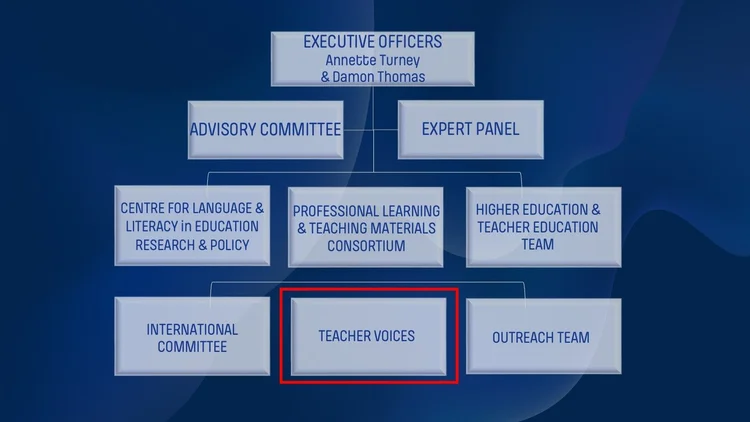
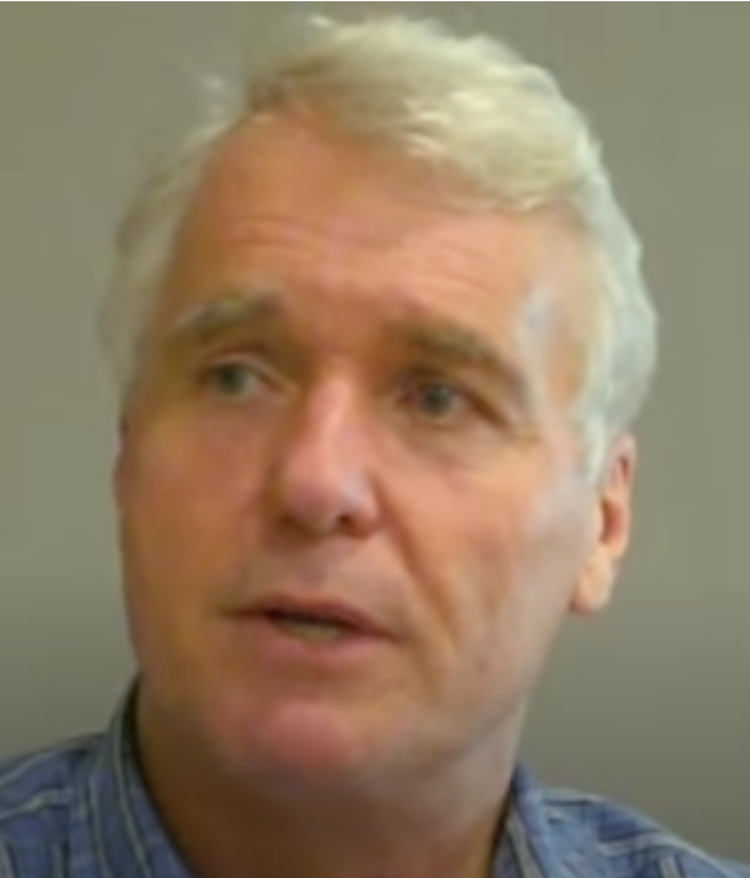
I began my professional career as a Mathematics teacher before moving in the early 1980s into teaching Italian. After returning from an extended stay in Italy and a brief stint as an EALD teacher, I took on the role of EALD consultant at the Catholic Education Office in South Australia. It was here that I first encountered the work of the Sydney School and Halliday’s functional model of language. In partnership with John Polias, who was working with the SA Education Department, we built a strong professional community of teachers focused on an explicit, language-based pedagogy. Because of the increasing interest in this approach, we developed the Language and Literacy Course, which took up the challenge of introducing the functional model of language to teachers. In the early 2000s, we established Lexis Education where, over the years, we have written and delivered a number of train-the-trainer courses. Over time, this work expanded to include the Teaching English in Multilingual classrooms (TEMC) course, the 3L: Language for Literacy and Learning (3L), and more recently, the self-accessing on-line course, How language works (HLW). In that time, we and our current tutor trainers have trained over 5000 tutors across the world. Over the last thirty years, I have also written and delivered tailored subject specific professional development for teachers of History, Science, Art, Mathematics and Geography. In recent years, I have worked as a mentor in a number of secondary schools seeking to improve educational outcomes for their students. From 2015 to 2018, I was president of the Australian Systemic Functional Linguistics Association (ASFLA) and currently, through LLEN, continue my enduring interest in building a systemic functional meta-language for teachers across all learning areas including languages other than English. Why is LLEN important, why are you involved and in what capacity?Those of us working within a Hallidayan theory of language take a deeply social view of language: that language is at the heart of everything we do as social beings. And there is no practice more profoundly social than educating our children through our schooling systems. Few would argue about the centrality and importance of language in education. As Ruqaiya Hasan points out in Ways of saying, ways of meaning: ‘Language is a fearsome resource through which we not only do seemingly trivial things, e.g. greeting, gossiping or buying a loaf of bread, but through it we can also have the power of doing enormously momentous things, e.g. monopolising resources, putting others down, cutting them off from the road to personal fulfilment.’ But in acknowledging the centrality and importance of this ‘fearsome resource’, a critical question for those working within the educational field becomes ‘What should be known about language by teachers and their students?’ Most of my professional life has been dedicated to addressing this question and its concomitant need for a shared metalanguage between teachers and students. For me, the setting up of LLEN has given really significant impetus to this work. In gathering a group of educators deeply influenced by a functional approach to teaching and learning, we have created a wonderful opportunity to carry the work forward with greater authority and confidence. As LLEN, we can broaden the reach to influence not just teachers and students but also teacher educators and, dare I say, educational bureaucracies. In this way, we can build an educational community that deeply understands and appreciates the crucial role language plays in schooling and beyond. What’s your greatest concern about language and literacy education right now?My greatest concern at the moment is that the really substantial progress we have made over the last decades, particularly through the prominence given to language and literacy in Australian curriculum, will be slowly undermined by reductive versions of what needs to be known about language. We have led the world in having the first serious and substantive underpinning of a national curriculum by a functional model of language. Taking on such a rich and elaborate model is, of course, not without its challenges. However, my experience working with teachers from the earliest years of schooling has unequivocally shown that, applied with the right kind of scaffolding, such a language-based approach is ultimately very rewarding. To do this with any great fidelity, we need substantive and productive professional development to build teacher and student capacity to understand how language works and this undertaking needs adequate and sustained funding. One of my fears is that we are being inundated with programs that propose simplistic, moribund approaches that take little account of the ‘fearsome resource’, lacking as they do in any coherent and applicable theory of language. Such a plethora of ‘quick-fix’ approaches also means that we have far less chance of establishing any kind of shared metalanguage within schools and systems. Is there one positive sign you can see in education?It has been heartening to see the educational pendulum finally swing towards a much-needed focus on explicit pedagogy. Those of us arguing for such an approach over the last thirty years or so, welcome this new focus with both optimism and some trepidation. The trepidation stems from what many people in education consider explicit teaching should look like in practice. We have seen a proliferation of professional development and resources that claim to be based on ‘explicit teaching’ but are, to put it mildly, pastiches of such practice, often lacking any coherent and systematic way of teaching about language as part of such pedagogy. On a more positive note, LLEN will give us a powerful platform that will allow for some serious curating of high-quality professional resources that are aligned with learning theories that account for the role of language in teaching and learning. When allied with its other major aim, namely to undertake and collate research that explores this crucial role in education, we have good reason to feel very optimistic about building understandings about the role of this ‘fearsome resource’ in educational contexts.
|